
Oil balance under the Strait of Hormuz crisis
——Xiao Lanlan, Deputy General Manager of Research Institute of Zijin Tianfeng Futures Co., Ltd.
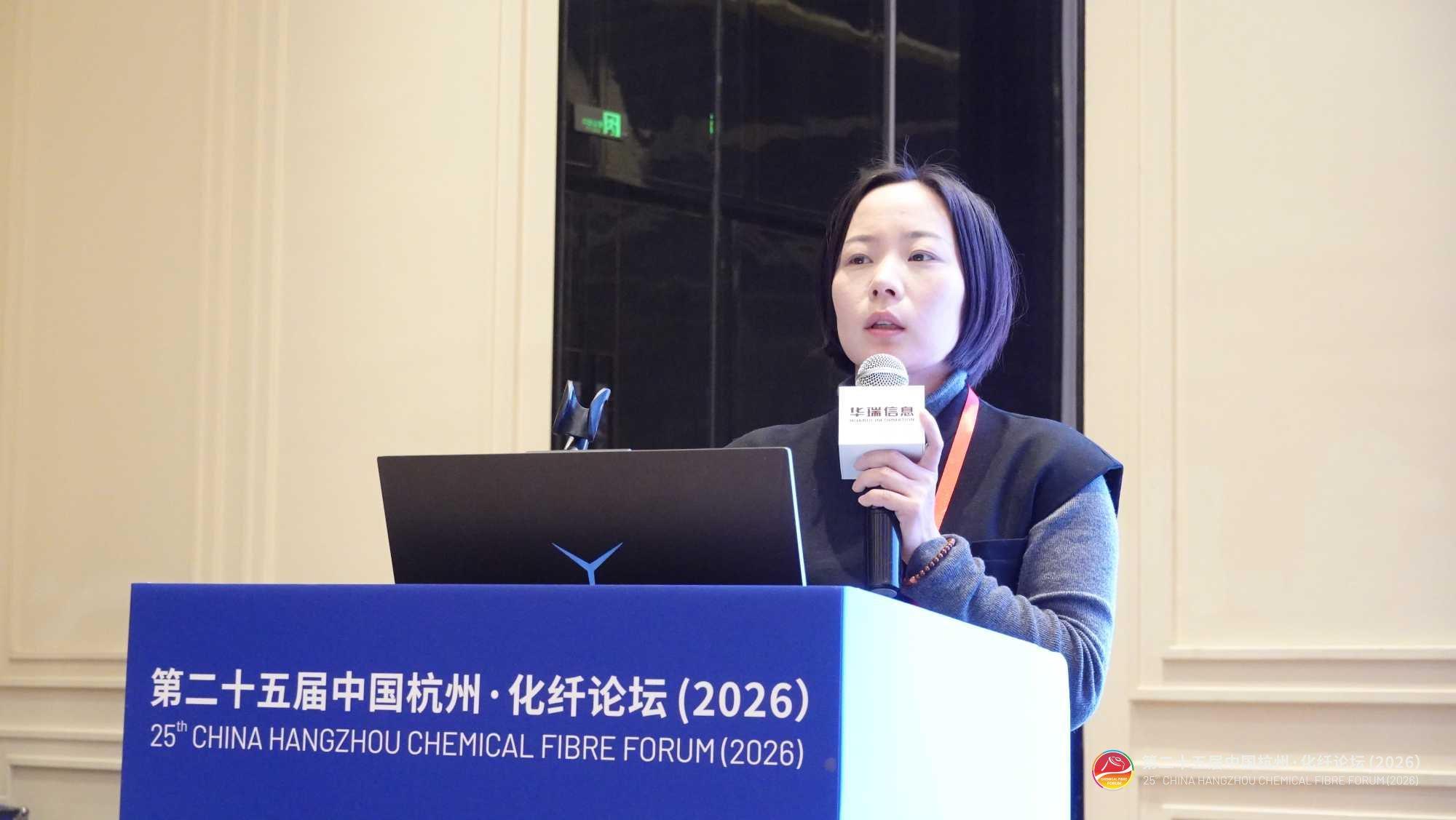
The report is divided into four parts.
Part 1: Logistics Throughput of the Strait of Hormuz
Ms. Xiao Lanlan introduced the current situation of the Strait of Hormuz. Globally, the imbalance between oil-producing and oil-consuming countries leads to a high dependence on trade. The volume of oil passing through the Strait of Hormuz accounts for 27% of global oil trade and nearly 20% of global oil consumption, with large throughput and extensive coverage. Currently, only a few tankers are passing through the strait. Storage capacity and alternative shipping routes in the Middle East are limited, forcing global refineries to reduce operating rates passively. Crack spreads across the entire oil product complex have improved significantly, matching or exceeding levels seen during the Russia-Ukraine conflict.
Part 2: Potential Countermeasures
IEA member countries have released 400 million barrels of strategic reserves, but actual releases have fallen short of expectations. Floating storage can serve as an emergency supplement, with both Russian and Iranian oil being released. The previous low discount for sanctioned oil has been broken, and a premium has begun to emerge.
Part 3: Review of Strait of Hormuz-Related Events
This section reviews historical disruptions in the Strait of Hormuz and the timeline of events during the Iran-Iraq War involving the strait. During the Iran-Iraq War, the situation began to de-escalate after the U.S. initiated escort operations, and eventually ended after the U.S. destroyed a military base.
Part 4: Scenario Simulation and Impact on Assets
Assuming unchanged terminal demand, there would be a supply gap of 5 million barrels per day. Floating storage of approximately 200 million barrels (including the volume from the first week of March) could sustain supply for about 30–40 days. When considering disruptions in the refined products segment, it becomes clear that the shortage is actually occurring in the refined products market, with crack spreads across the entire oil product chain surging sharply, approaching levels seen during the Russia-Ukraine conflict in 2022. The core issue remains navigational access. Current inventories could sustain approximately 30–40 days of closure. If the closure exceeds one month, global inventories will remain at low levels, leading to significant price risks.