Round-table discussion
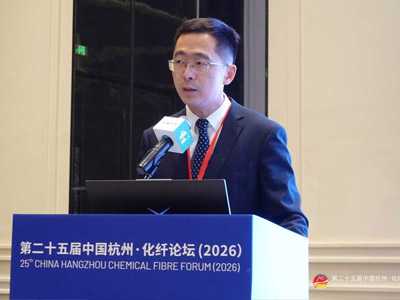
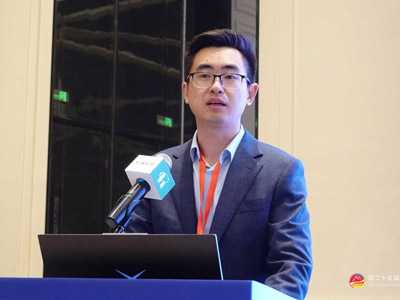
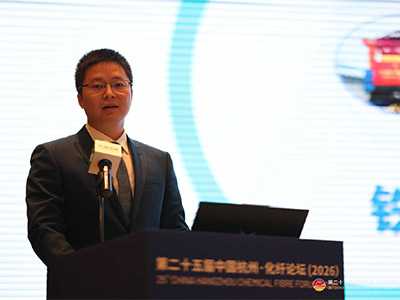
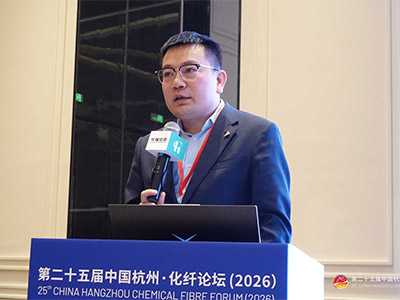
——Yang Wentao from Sinopec Chemical Commercial, Xu Ji'en from Yisheng Petrochemical, Lin Zhenyong from Xinfengming Group, Ji Jingfei from INEOS, and Lai Tianming from CCFGroup
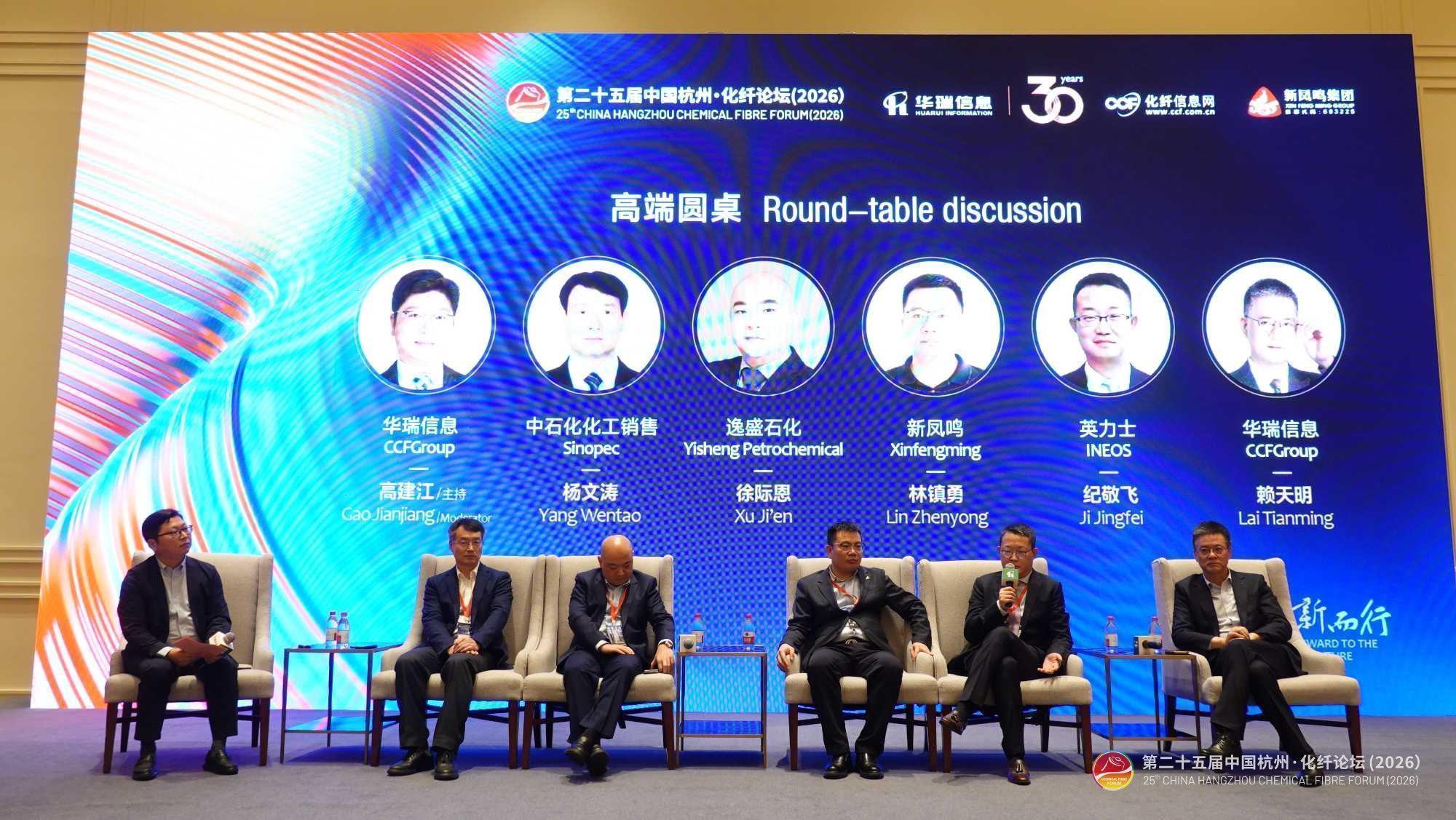
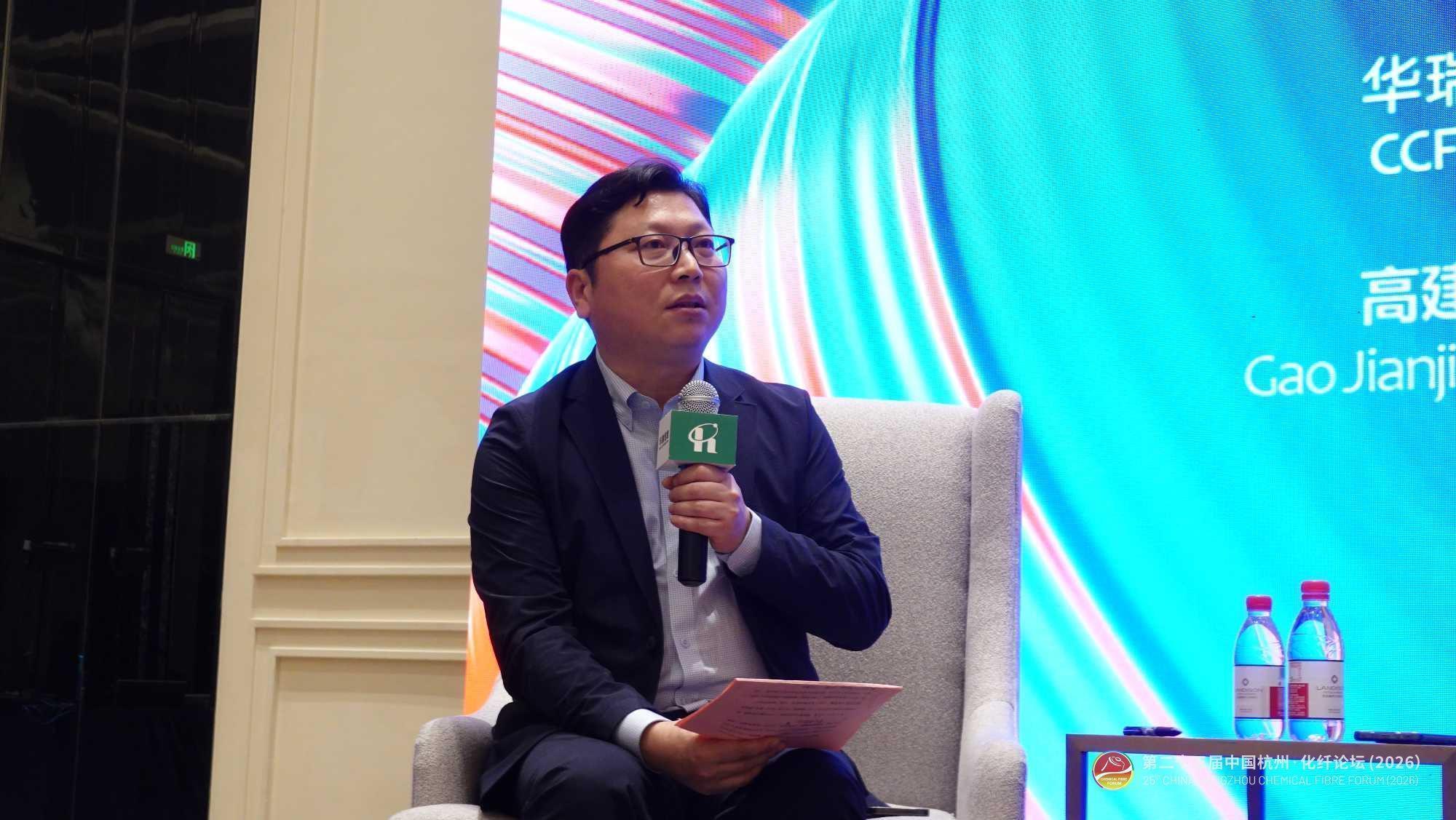 Gao Jianjiang (Moderator), Senior Executive Vice President, CCFGroup
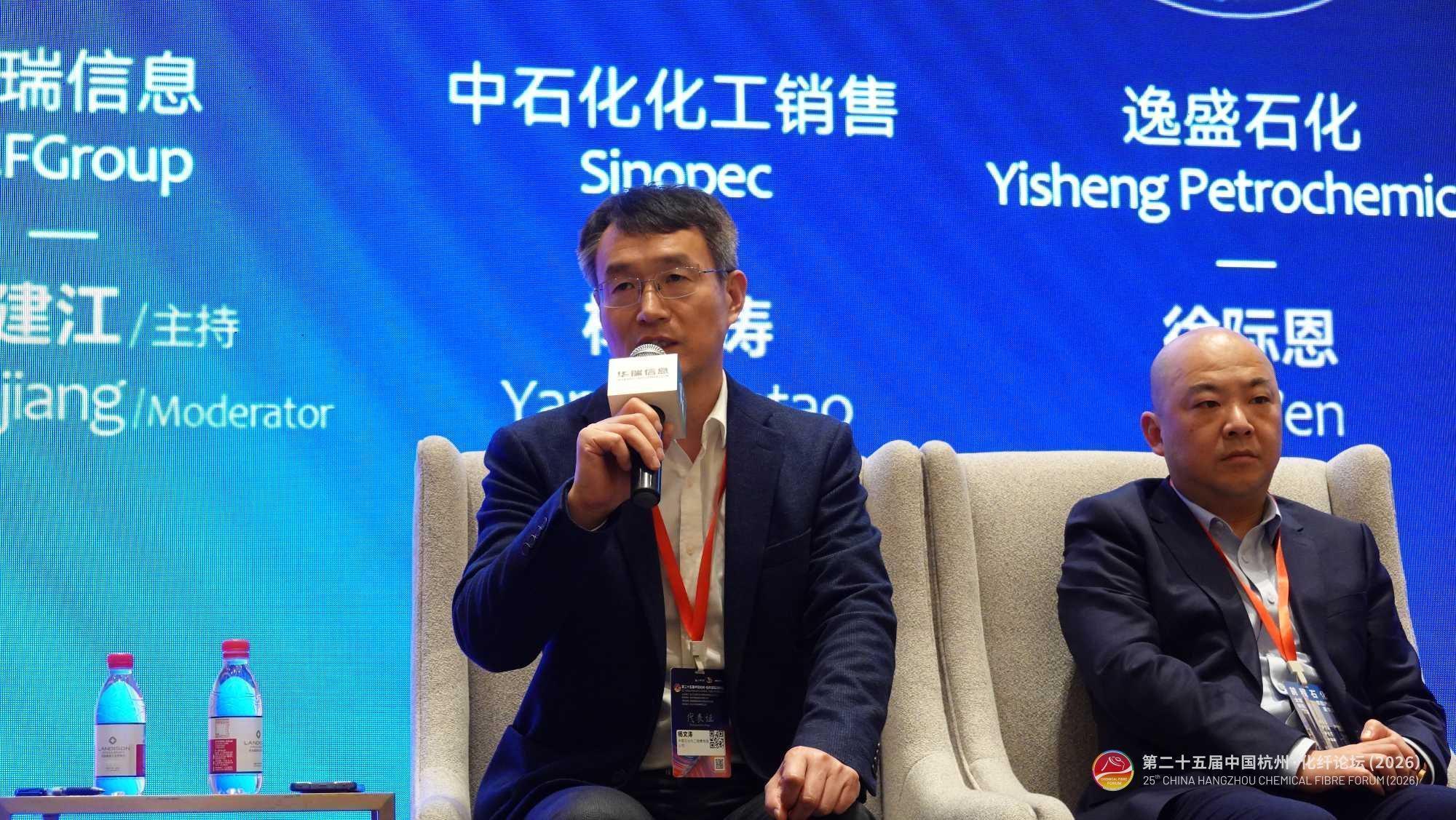
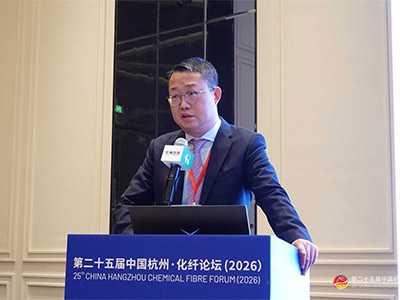
Yang Wentao, Deputy Chief Economist, Aromatics Department Manager, Sinopec Chemical Commercial Holding Company Limited
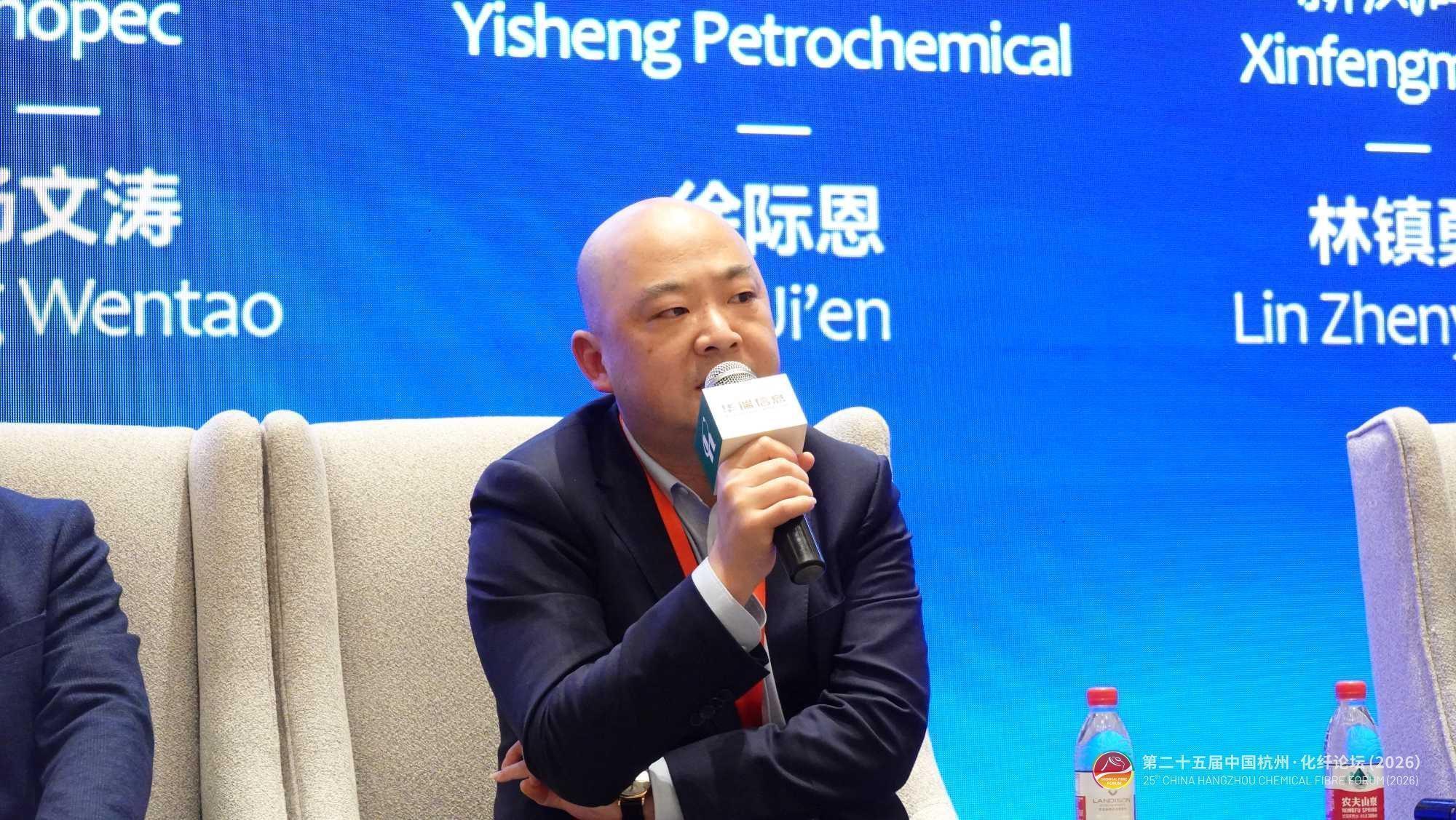 Xu Ji'en, Deputy General Manager of Sales Center, Yisheng Petrochemical Co., Ltd.
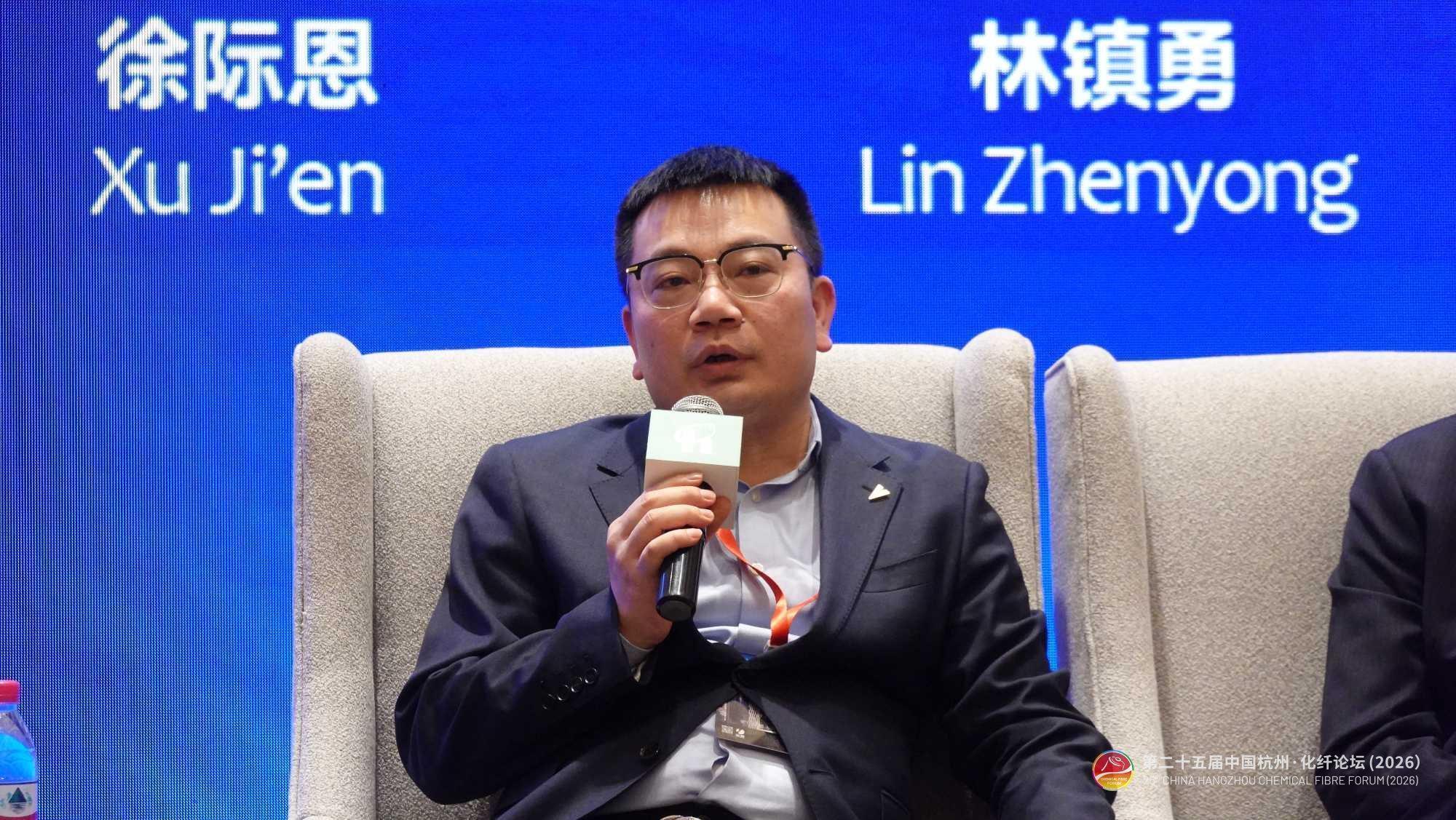 Lin Zhenyong, Vice President, Xinfengming Group Co., Ltd.
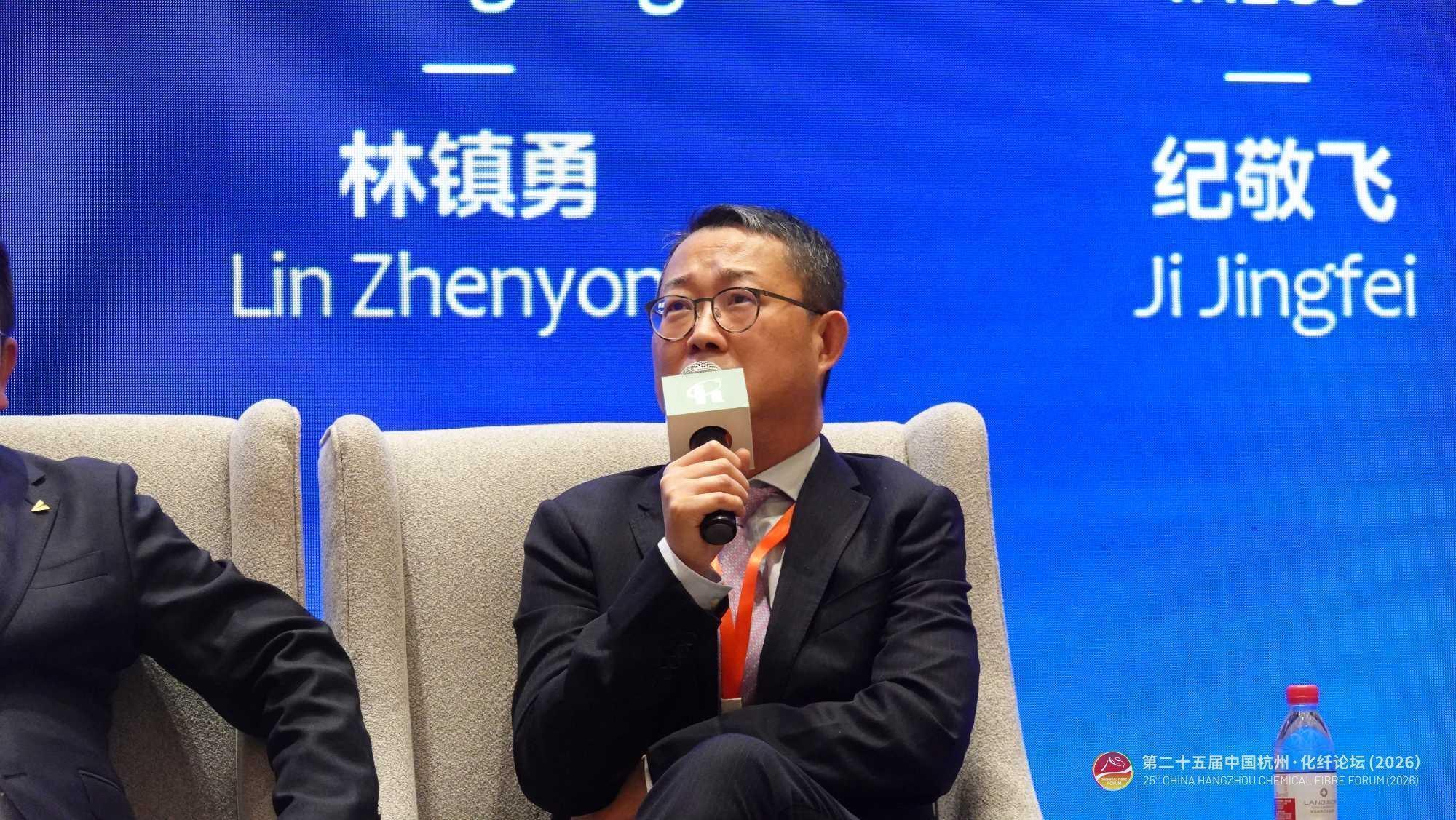
Ji Jingfei, China Commercial Director/Asia Strategic & Development Director, INEOS
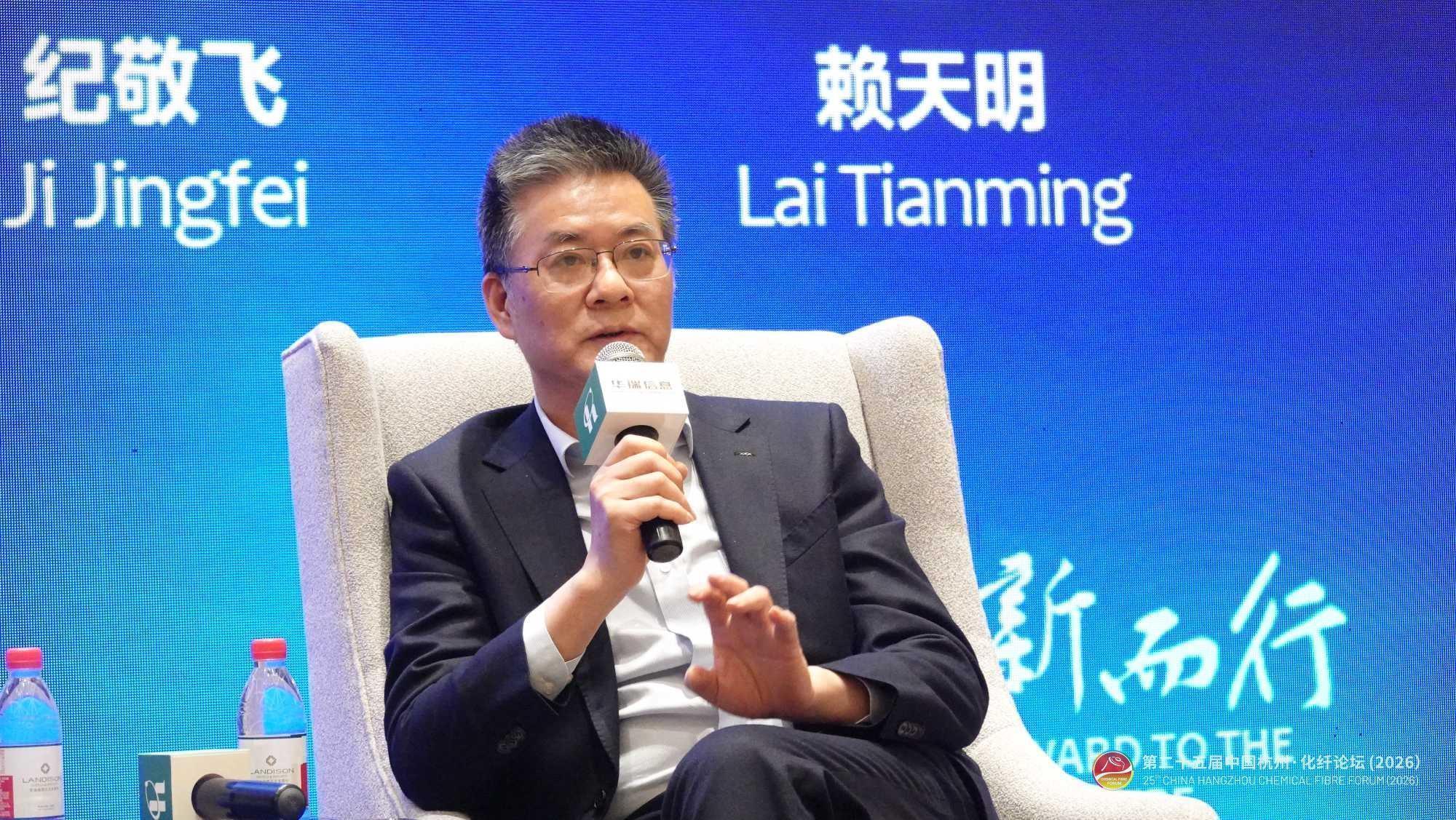 Lai Tianming, General Manager, CCFGroup
Q1: Recent geopolitical conflicts have had a significant impact on refineries in Asia. What further impacts might be seen in the future?
A: Following the outbreak of the conflict, the government has introduced policies restricting refined oil exports to prioritize meeting domestic demand. Considering that China's crude oil import channels are diversified and not solely dependent on the Middle East, domestic supply has a certain degree of resilience. Overall, the government's macro-control measures are effectively protecting the domestic consumer market from excessive shocks.
Q2: Will the aromatics product market face supply and demand tightness in the second quarter?
A: Since March, prices of aromatics products have risen rapidly. Currently, the correlation between aromatics prices and crude oil trends has returned to a reasonable range matching production costs. Overall, the market is in a process of dynamic adjustment and digestion.
Q3: What is the overall impact of this shock on the domestic and international aromatics markets?
A: This Middle East incident has unexpectedly provided a certain buffer period for the global aromatics market, especially the European petrochemical industry, which was already struggling. Regionally, the United States has been less affected, while Asia has suffered the most significant impact. For regions highly dependent on crude oil imports from the Middle East, if the conflict persists, China may be the only country in Asia able to maintain a certain scale of PX production. Currently, the chemical market has not yet fully priced in the expectation of high crude oil prices. Once high oil prices are fully transmitted downstream, chemical product prices will face a substantial surge.
Q4: Geopolitical conflicts have disrupted original expectations. Currently, PTA is characterized by "high costs, weak demand" and high inventories in the first quarter. How should enterprises respond?
A: The petrochemical industry is currently facing an unprecedented change in a decade. From crude oil to downstream textiles, the entire industry is in a destocking phase, with upstream trends significantly outpacing downstream ones. Even if the conflict ends, the decline in crude oil prices will likely be gradual. Enterprises need to prepare for the normalization of geopolitical games marked by intermittent confrontations. At present, the loss margin of PTA remains within controllable ranges, but refineries are under great pressure from high costs. It is expected that as upstream supply gradually tightens, the profit margin of the entire industrial chain is expected to recover by April to May.
Q5: What is the way out for polyester plants under the current environment?
A: The most critical factor at present is stabilizing market expectations. Due to the lack of consensus on the duration of the conflict in the market, sentiment is relatively panicky. The top priority for polyester plants is to strictly control inventories. The entire polyester industry is currently undergoing a historic production cut, with firm determination within the industry. Recently, we have maintained stable pricing and not blindly followed futures fluctuations, precisely to stabilize market confidence as much as possible.
Q6: What is the market performance of polyester staple fiber this year?
A: Before the conflict, the polyester staple fiber industry was developing healthily overall. However, after the outbreak of the conflict, significant differentiation has emerged across market segments: spunlaced products can still absorb cost fluctuations; hollow products have fallen into industry-wide losses; and virgin products face the risk of substitution. Overall, the staple fiber market faces short-term pains, but the long-term fundamental remains stable.
Q7: Will the elimination of overseas PTA and PX plants accelerate in the future?
A: The elimination process will manifest differently across regions.
Southeast Asia: Bear the brunt. Most of its plants were built in the 1980s-1990s and lack core competitiveness. Although local regions have attempted to protect themselves by increasing trade barriers, this cannot fundamentally enhance competitiveness. Previously, India's BIS certification restrictions on Chinese PTA products have been lifted, and Southeast Asian factories are now facing enormous challenges. If the current situation continues, the industrial chain in this region may face elimination.
Europe: Struggles to attract new investment. Due to previous energy policy mistakes, the European petrochemical industry has suffered heavy losses. While the current situation is unlikely to worsen further, attracting new investment is extremely difficult.
India and Turkey: Relatively speaking, some new plants may be established in India and Turkey in the future.
Q8: What is the outlook for the overall market in the future?
A: At the beginning of the year, the industry generally expected full-year demand growth to be between 4.5% and 5%. However, the Middle East geopolitical conflict has substantially dragged down terminal demand, and the growth rates of operating rate for both polyester and PTA has fallen short of expectations. Until the geopolitical situation is resolved, all links in the industrial chain should adopt a defensive stance and prepare as well as possible for uncertainties.